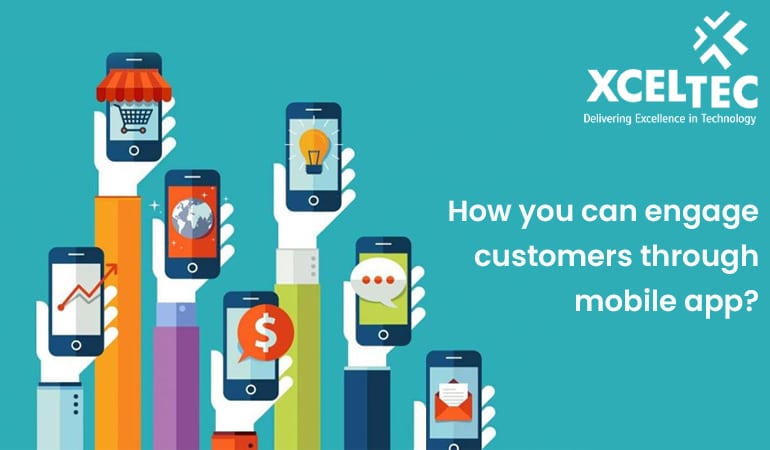
How can you engage customers through the mobile app?
How Can You Engage Customers Through a Mobile App?
Mobile applications have become an important part of modern business strategy. Customers use mobile apps to discover products, make purchases, access services, communicate with brands, manage accounts, and interact with businesses at any time.
However, simply developing and launching a mobile app is not enough to guarantee success.
With thousands of applications available in app stores, businesses need to continuously engage their users and provide meaningful experiences. A well-designed mobile app can help businesses increase customer retention, improve conversions, strengthen brand loyalty, and build long-term relationships with customers.
The key is to create an app experience that is useful, personalised, easy to use, and valuable to the customer.
1. Create Personalised Customer Experiences
Personalisation is one of the most effective ways to improve mobile app engagement.
Customers are more likely to interact with content and offers that are relevant to their interests.
Businesses can personalise the mobile experience using information such as:
- Previous purchases
- Browsing history
- Product preferences
- Location
- Customer interests
- App activity
For example, an eCommerce application can recommend products based on a customer’s previous purchases or browsing behaviour.
Personalisation can help customers discover relevant products faster and create a more engaging experience.
2. Use Push Notifications Carefully
Push notifications can help businesses reconnect with users and provide timely information.
Businesses can send notifications about:
- New products
- Special offers
- Order updates
- Abandoned carts
- Upcoming events
- Loyalty rewards
- Important account updates
However, sending too many notifications can frustrate users and cause them to disable notifications or uninstall the app.
The best approach is to send relevant and timely notifications based on user preferences and behaviour.
3. Design Effective Email Campaigns
Email marketing and mobile applications can work together to improve customer engagement.
Businesses can create email campaigns for different customer situations, such as:
- Welcome campaigns
- Abandoned cart reminders
- Product recommendations
- Special offers
- Re-engagement campaigns
- Order confirmations
- Loyalty programme updates
For example, if a customer adds a product to their shopping cart but does not complete the purchase, the business can send a reminder email or mobile notification.
A coordinated email and mobile strategy can help businesses stay connected with customers across multiple channels.
4. Provide Wishlist and Save-for-Later Features
A wishlist can be a valuable feature for eCommerce and retail applications.
Customers may not always be ready to purchase a product immediately. Allowing them to save products for later can encourage them to return to the app.
A wishlist can help users:
- Save products
- Compare items
- Track price changes
- Create shopping lists
- Share products with friends and family
Businesses can also use wishlist activity to provide relevant reminders and personalised offers.
5. Build Social Features and Communities
People often trust the opinions and experiences of other customers.
Mobile applications can include social features such as:
- Product reviews
- Ratings
- Discussion forums
- Customer communities
- User-generated content
- Social sharing
For example, customers can share their experiences, answer questions, and provide feedback about products or services.
These features can increase engagement and build trust between customers and the brand.
6. Add Gamification to the App
Gamification can make a mobile app more enjoyable and encourage users to return regularly.
Businesses can add game-like features such as:
- Points
- Badges
- Challenges
- Rewards
- Leaderboards
- Quizzes
- Achievement levels
For example, a fitness application can reward users for completing daily workouts. A retail application can provide points for purchases, reviews, or referrals.
Gamification should be connected to meaningful customer value rather than simply adding unnecessary game elements.
7. Improve the App Onboarding Experience
The first experience a user has with an application is extremely important.
A complicated onboarding process can cause users to abandon the app before they understand its value.
An effective onboarding experience should:
- Clearly explain the app’s main benefits
- Use simple language
- Avoid unnecessary steps
- Allow users to explore the app quickly
- Request permissions at the appropriate time
Businesses should avoid forcing users to complete long forms before they can experience the application’s main features.
A simple and well-designed onboarding experience can improve user activation and reduce early drop-offs.
8. Respect the Customer’s Time
Mobile users generally expect applications to be fast and easy to use.
Businesses should focus on:
- Fast loading times
- Simple navigation
- Clear calls to action
- Easy checkout processes
- Minimal unnecessary steps
- Mobile-friendly forms
The more difficult it is for a customer to complete an action, the greater the possibility that they will leave the application.
9. Offer Exclusive Benefits to App Users
Businesses can encourage customers to download and regularly use their mobile app by offering exclusive benefits.
These may include:
- App-only discounts
- Exclusive products
- Early access to sales
- Special loyalty rewards
- Mobile-only promotions
- Priority booking
- Exclusive contests
These benefits give customers a clear reason to continue using the application.
10. Develop a Loyalty Programme
Loyalty programmes can encourage customers to return to the application.
Businesses can reward users for:
- Purchases
- Referrals
- Reviews
- Repeat visits
- Engagement
- Completing challenges
A mobile app can make it easy for customers to track points, access rewards, and receive personalised offers.
11. Use AI and Intelligent Recommendations
Modern mobile applications can use Artificial Intelligence and data analytics to create more personalised experiences.
AI can help businesses provide:
- Product recommendations
- Personalised content
- Intelligent search
- AI-powered chat assistance
- Automated customer support
- Behaviour-based suggestions
For example, an eCommerce application can analyse customer activity and recommend products that may be relevant to the user.
The use of customer data should always follow applicable privacy and data protection requirements.
12. Provide Excellent Customer Support
A mobile application can also become an important customer support channel.
Businesses can provide:
- In-app chat
- FAQs
- Help centres
- Support tickets
- Chatbots
- Order tracking
- Self-service options
Providing support directly inside the app can reduce friction and help customers find solutions more quickly.
13. Collect Customer Feedback
Customer feedback helps businesses understand what users like and what needs improvement.
Businesses can collect feedback through:
- In-app surveys
- Ratings
- Reviews
- Feedback forms
- Customer interviews
The most important step is to use feedback to improve the application.
When customers see that their feedback leads to meaningful improvements, they may feel more connected to the brand.
14. Use Analytics to Improve Engagement
Mobile analytics can help businesses understand how customers use an application.
Businesses can analyse:
- User retention
- Session duration
- Screen visits
- Conversion rates
- Feature usage
- Drop-off points
- Purchase behaviour
This data can help businesses identify problems and improve the overall customer experience.
Conclusion
A mobile application can be much more than a digital version of a website. When properly designed and managed, it can become a powerful platform for customer engagement, personalisation, communication, loyalty, and business growth.
From personalised experiences and push notifications to loyalty programmes, gamification, AI-powered recommendations, social features, and customer support, businesses have many opportunities to build meaningful relationships with mobile users.
However, successful mobile engagement requires a customer-first approach. Businesses should focus on delivering genuine value, respecting user privacy, making the app easy to use, and continuously improving the experience based on customer feedback and analytics.
At XcelTec, we help businesses develop customised mobile applications designed around their unique business goals and customer requirements.
From mobile app strategy and UI/UX design to custom application development, API integration, AI features, testing, deployment, and ongoing support, our experienced team can help transform your idea into a powerful digital product.
Get in touch with XcelTec to discuss your custom mobile application development requirements.
Contact us: +91 987 979 9459 | +1 919 400 9200
Email: sales@xceltec.com
Frequently Asked Questions (FAQs)
1. How can a mobile app improve customer engagement?
A mobile app can improve customer engagement through personalised content, push notifications, loyalty rewards, exclusive offers, social features, in-app support, and convenient access to products or services.
2. How can push notifications be used effectively?
Push notifications should provide relevant and timely information, such as order updates, personalised offers, reminders, or important announcements. Businesses should avoid sending excessive or irrelevant notifications.
3. What features can increase mobile app engagement?
Features such as personalised recommendations, loyalty programmes, gamification, wishlists, reviews, exclusive offers, in-app support, and social sharing can encourage users to engage more frequently with an application.
4. Can AI improve customer engagement in mobile applications?
Yes. AI can help provide personalised recommendations, intelligent search, automated support, personalised content, and behaviour-based experiences that can make mobile applications more relevant to individual users.